






Shaped by the Curves of a Harp
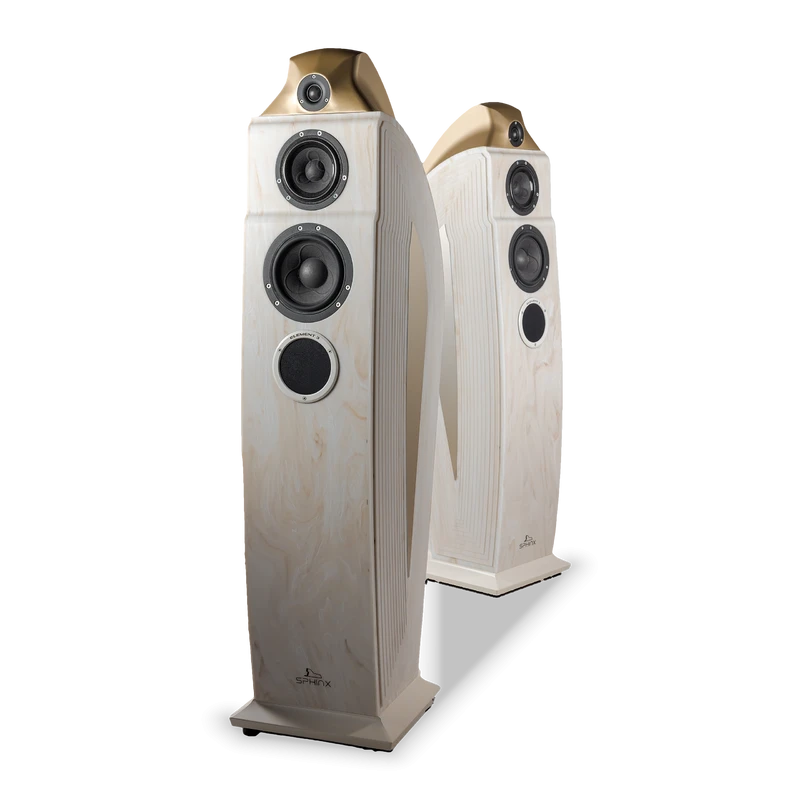
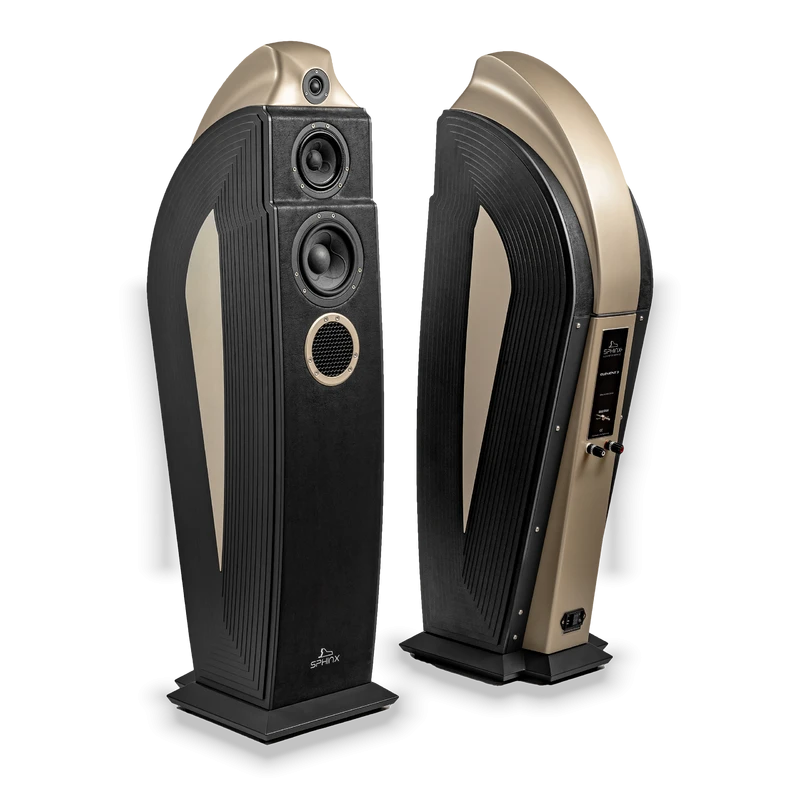
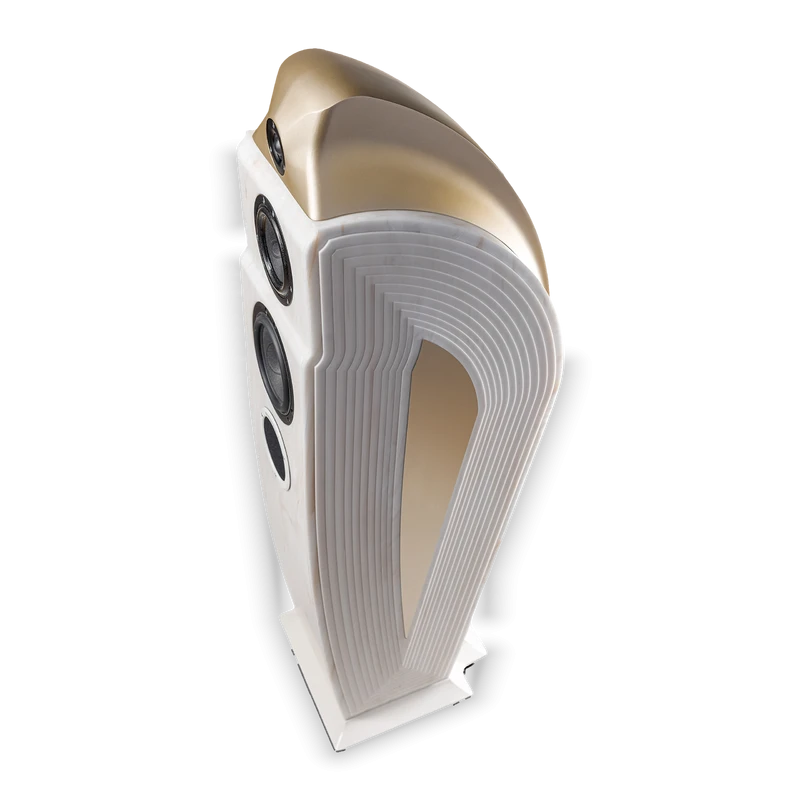
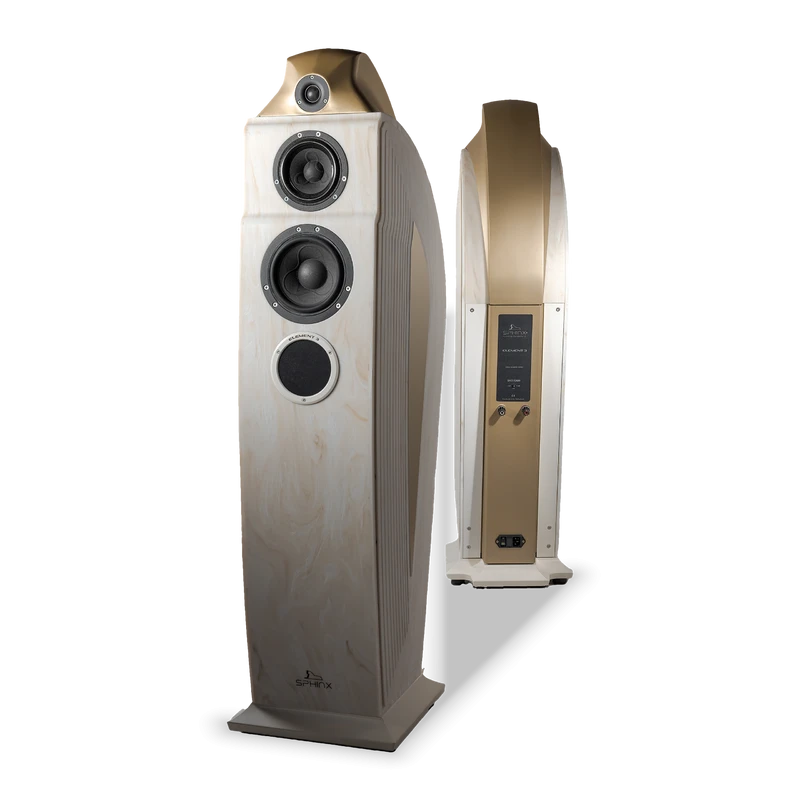
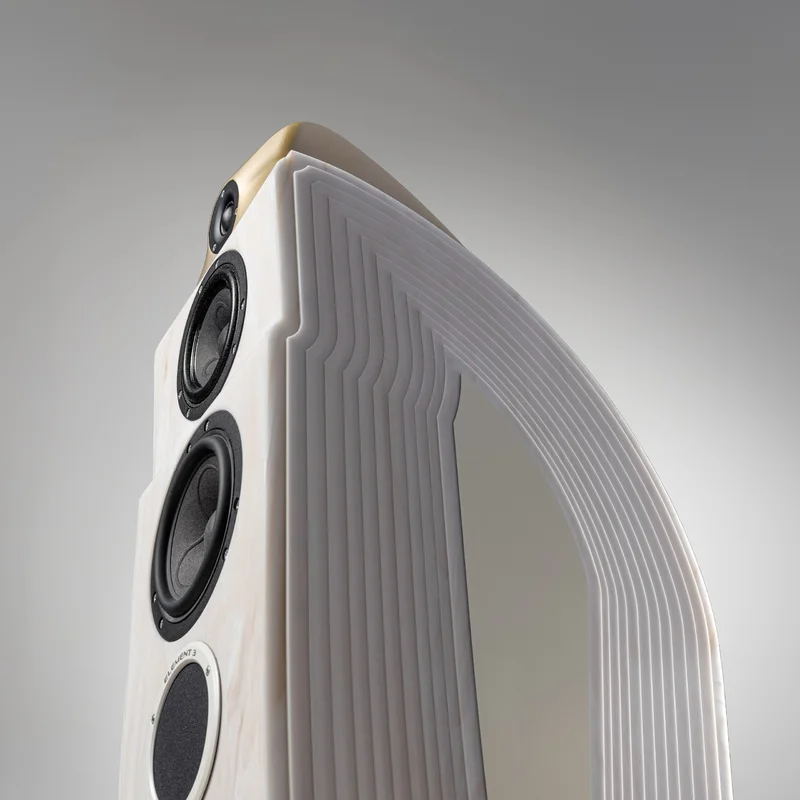
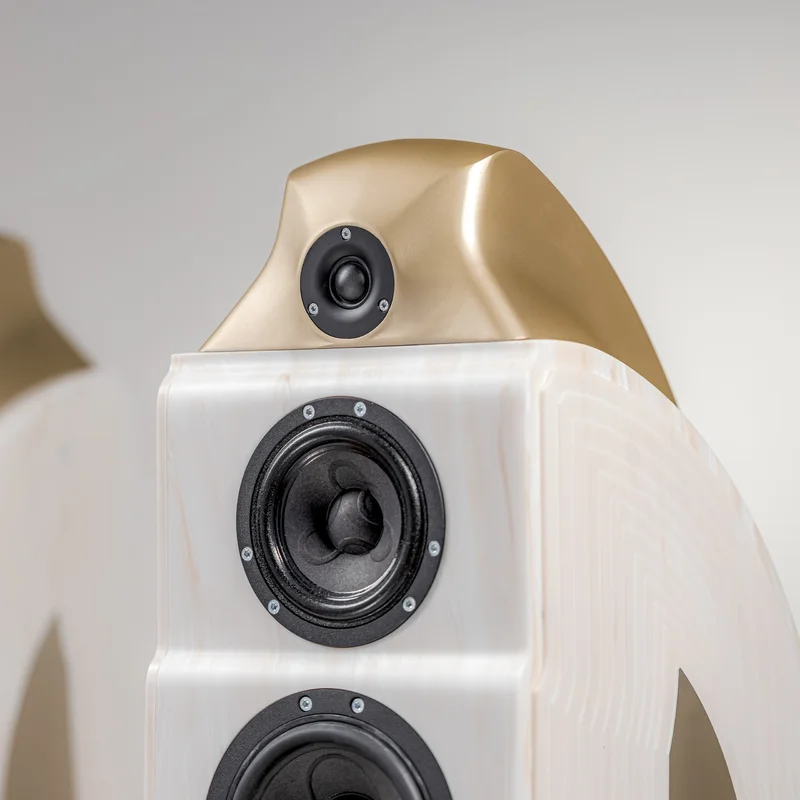
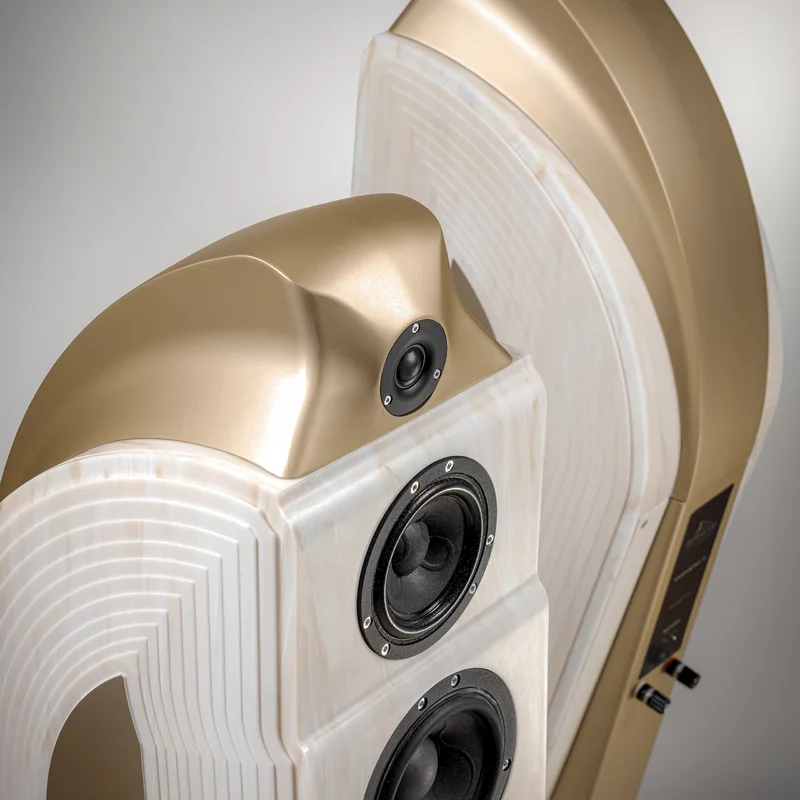
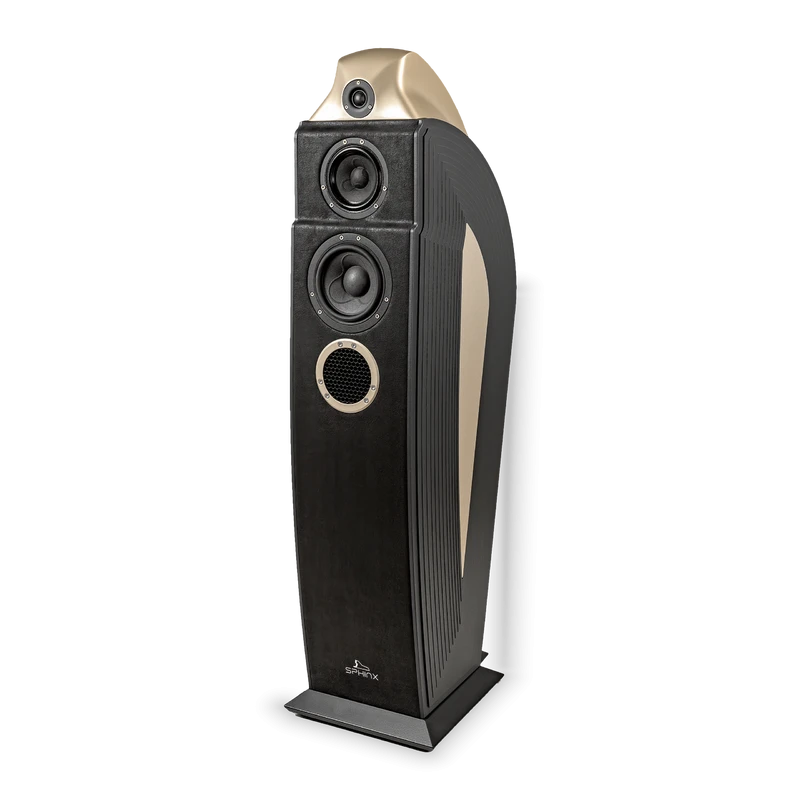
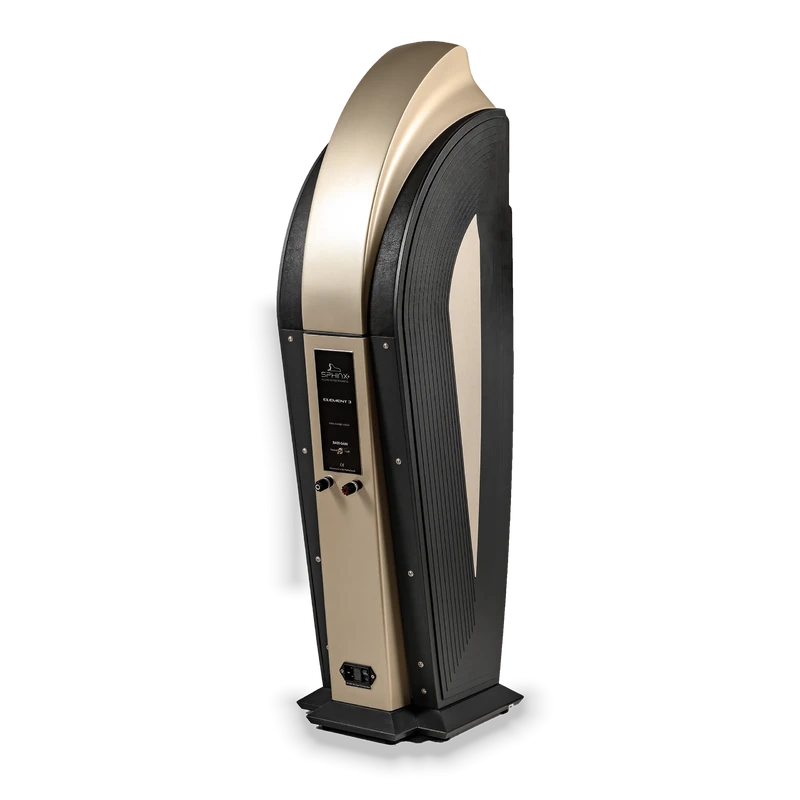
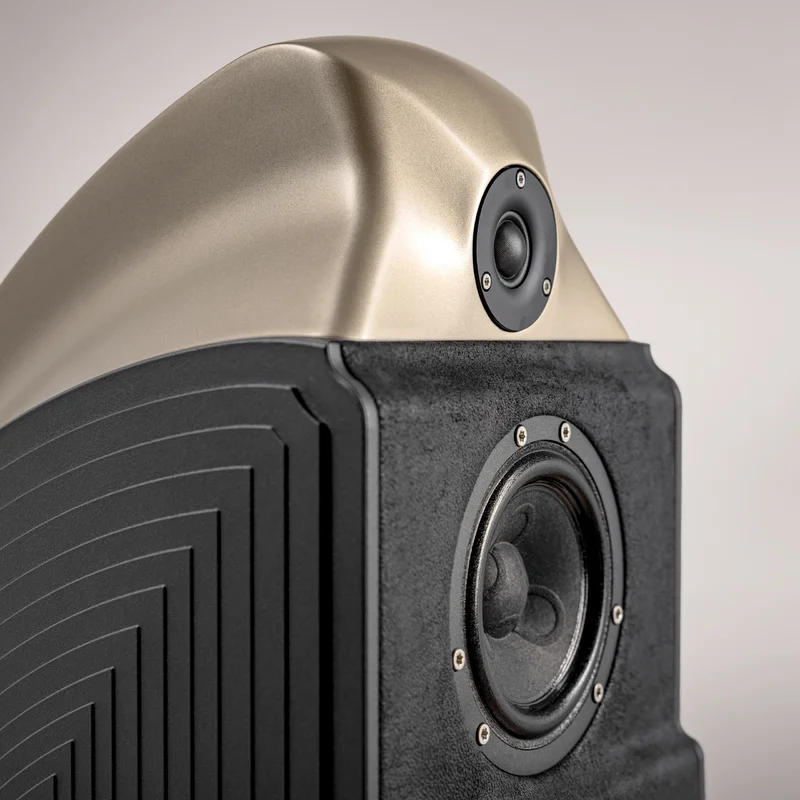
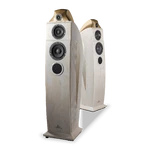
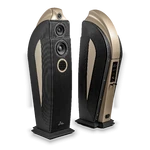
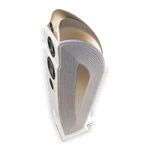
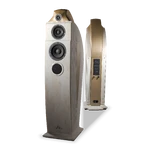
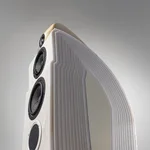
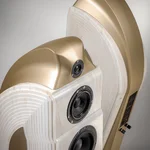
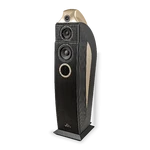
The Sphinx Element 3 is a three-way floorstander whose silhouette Sphinx drew from the curves of a harp, and every curve has work to do. The sweeping rear of the cabinet houses the bass channel, the slender crown lifts the tweeter clear of the main enclosure, and the whole shape follows the acoustic plan rather than the other way round.
Built by hand in the Netherlands, the Element 3 is the compact half of Sphinx’s Element Series. Audio Lounge offers the pair in Marble White or Midnight Grey, with private auditions in Wigmore Street by appointment.
Zero Gravity Bass
Most cabinets trap the energy from the back of the bass driver and soak that energy up. Sphinx takes the opposite course. In the Zero Gravity Bass channel, a modified transmission line, the rear wave is delayed and brought back into phase, so the wave reinforces the bass instead of fighting the cone, with less air compression and less distortion along the way.
The result is deep bass from a cabinet of modest size: notes that start and stop quickly, carry real weight and settle into the room without the boom of a box being pushed too hard. Sphinx designed the system to reduce room interaction, so the low end stays clean, fast and woven into the music.

They immediately sound mature, confident, refined and so much bigger than their relatively compact dimensions might seem to promise.
Stone Outside, Silence Within
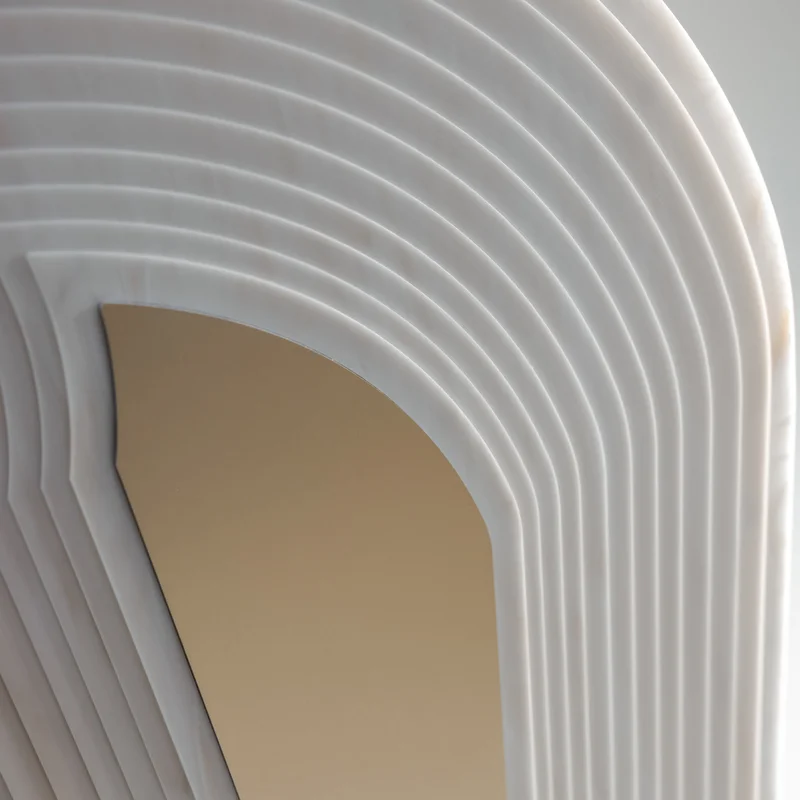
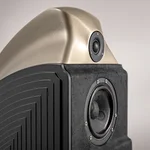
The cabinet pairs a layered MDF core with a synthetic stone composite exterior, chosen as much for the way the material behaves as for the way the surface looks. The stone-like skin damps resonance naturally, so the enclosure stays inert while the drivers work, and the midrange and tweeter each sit in a dedicated sealed chamber.
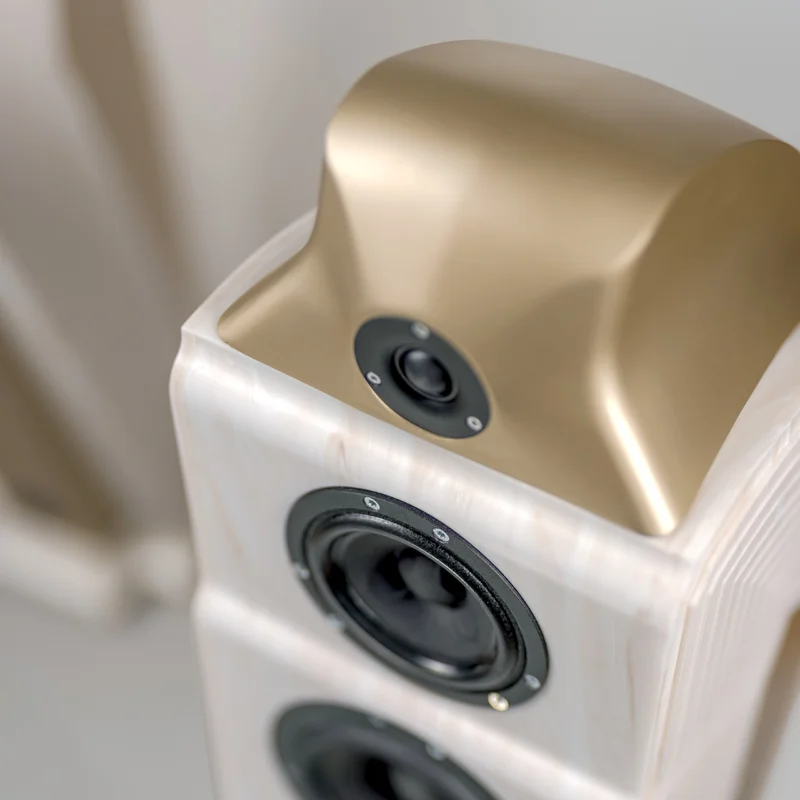
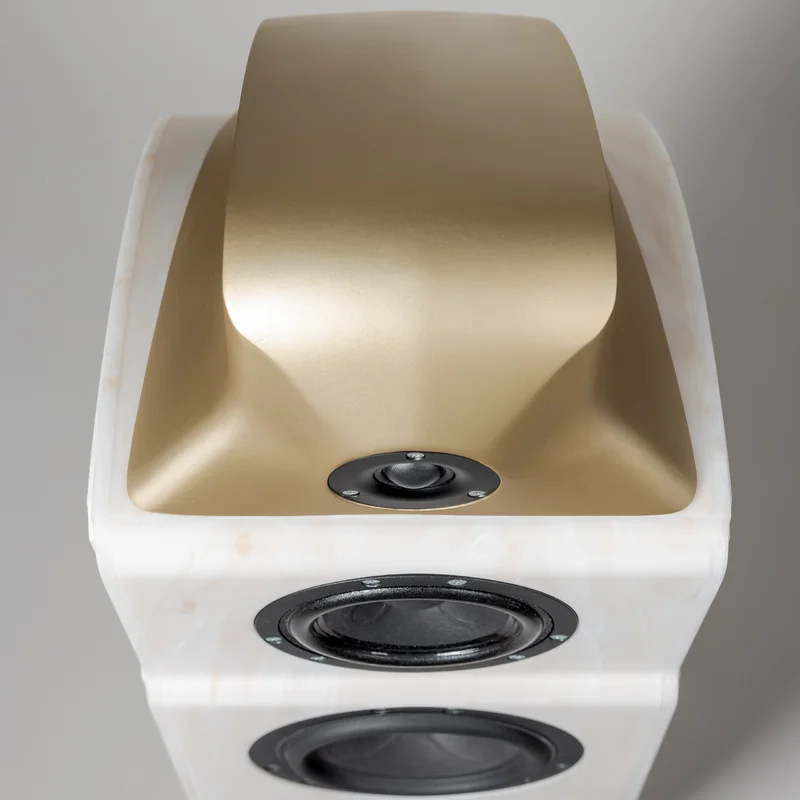
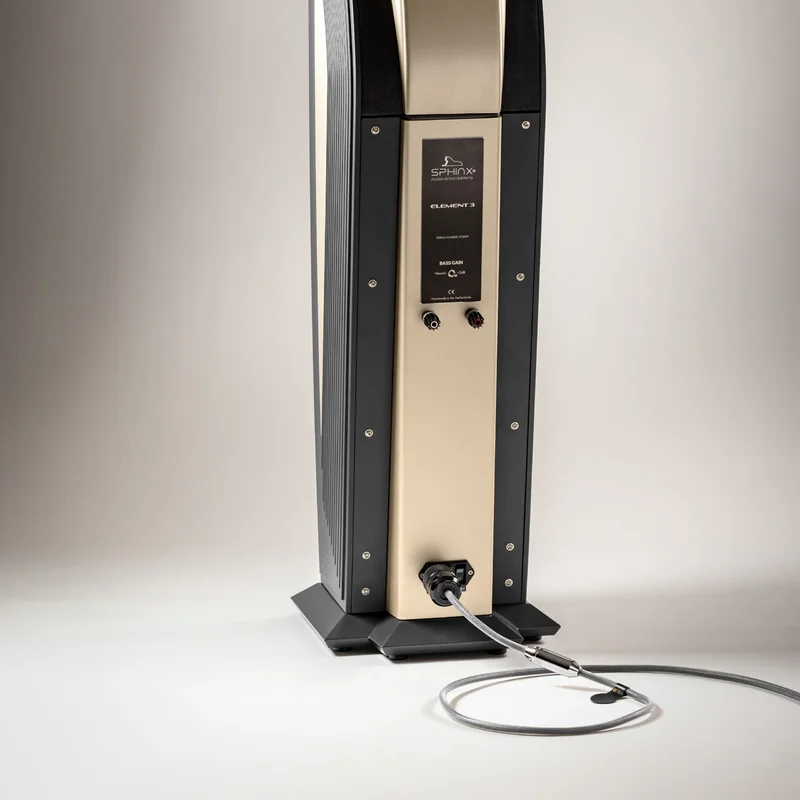
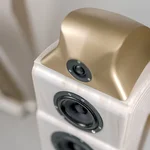
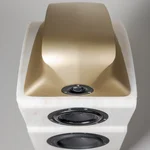
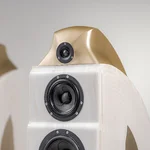
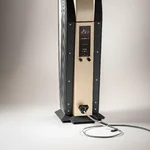
A curved aluminium base steadies the cabinet and draws heat away from the electronics inside, while the raised tweeter housing is sculpted for even dispersion and a stable stereo image. Marble White lets the Element 3 read as a pale sculpture in the room; Midnight Grey makes the pair a quiet, dark presence.
A Crossover With Power Steering
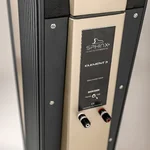
Behind the rear panel sits the idea that sets the Element Series apart: the power-assisted crossover Sphinx calls PAC. To the amplifier, the Sphinx Element 3 looks like an ordinary passive loudspeaker and an easy one, so the familiar chain of source, preamplifier, power amplifier and loudspeaker stays exactly as before. Inside, a low-power analogue filter with no inductors divides the signal, and local buffer stages and a dedicated amplifier module for each driver take over the heavy lifting.
Sphinx compares the arrangement to power steering in a classic car. The amplifier still holds the wheel and sets the character of the sound, while the local power stages supply the muscle. The drivers stay under firm control, and the presentation becomes more precise, less fatiguing and more consistent whatever the music asks.
I think this speaker is one of those great things.
A Natural Partner for Valve Amplifiers
Because the external amplifier meets a high, steady load and a highly sensitive design, the Sphinx Element 3 welcomes a wide circle of partners, including lower-powered valve amplifiers. Sphinx built the Element 3 to convey the true nature of whatever drives the pair, so a cherished amplifier keeps the very sound that made the choice worthwhile.
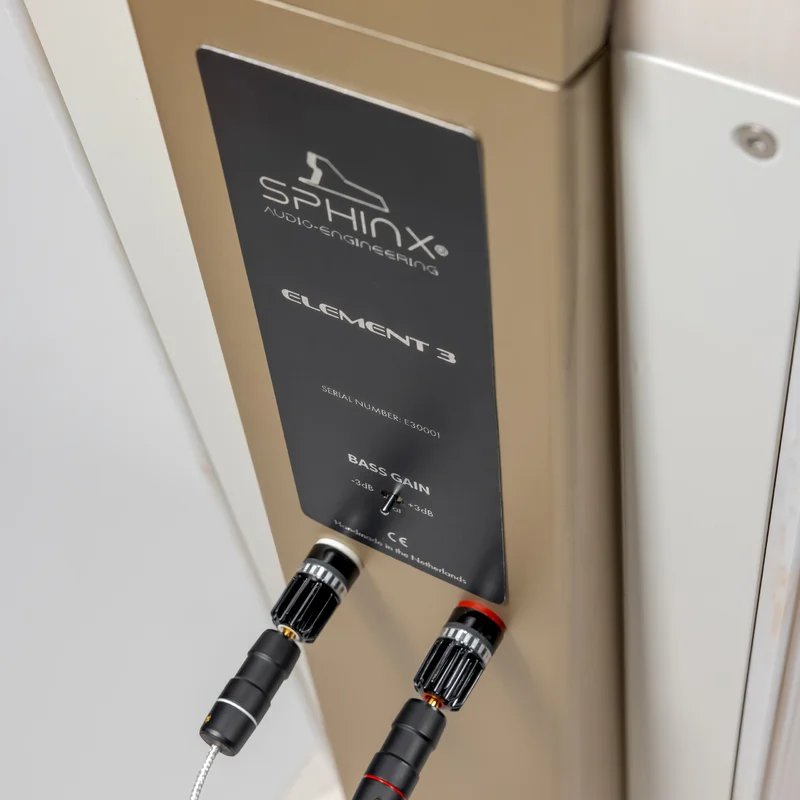
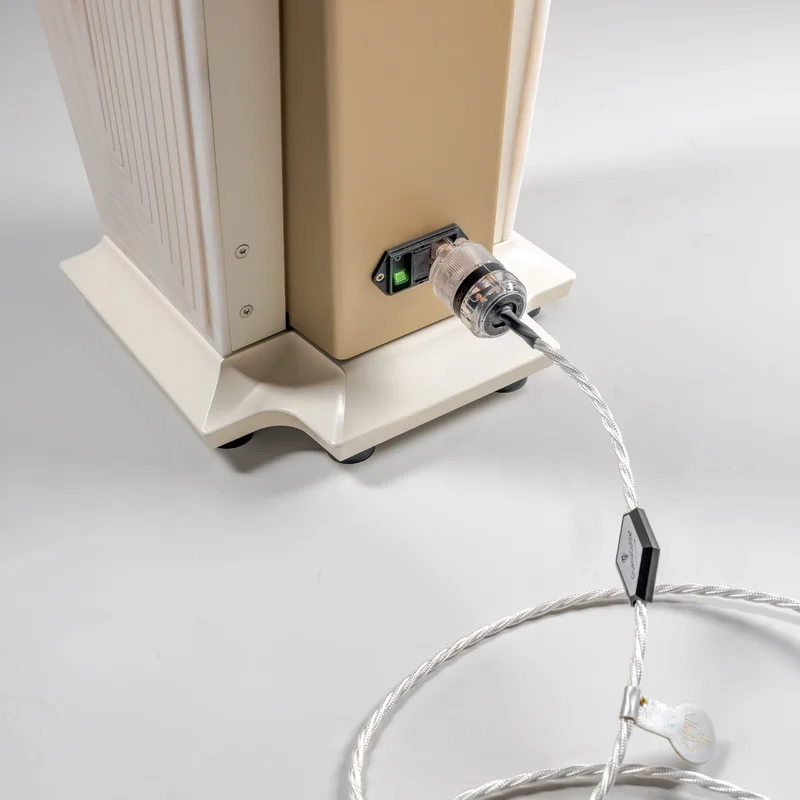
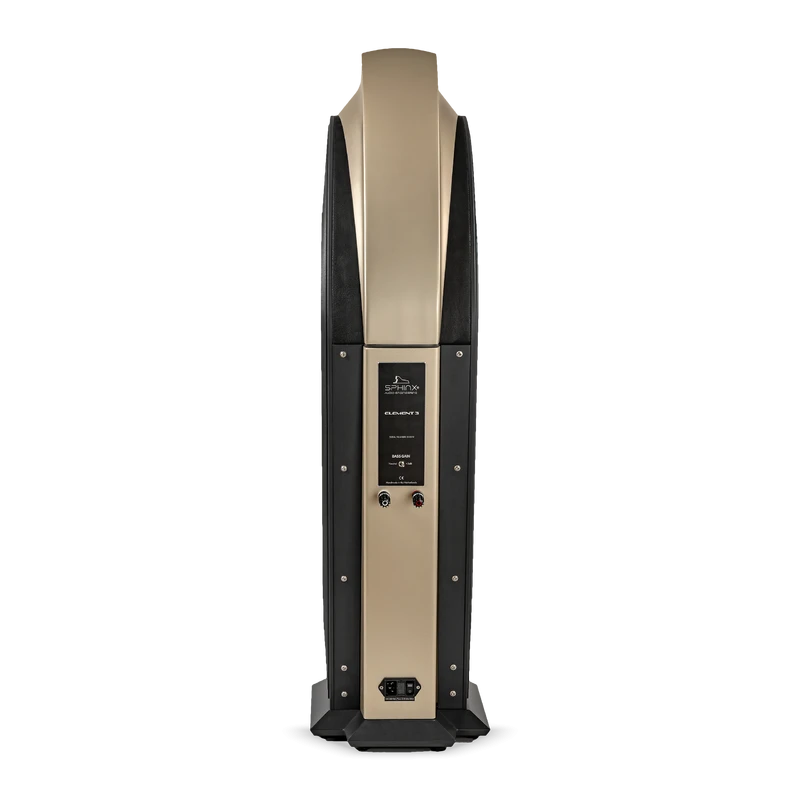
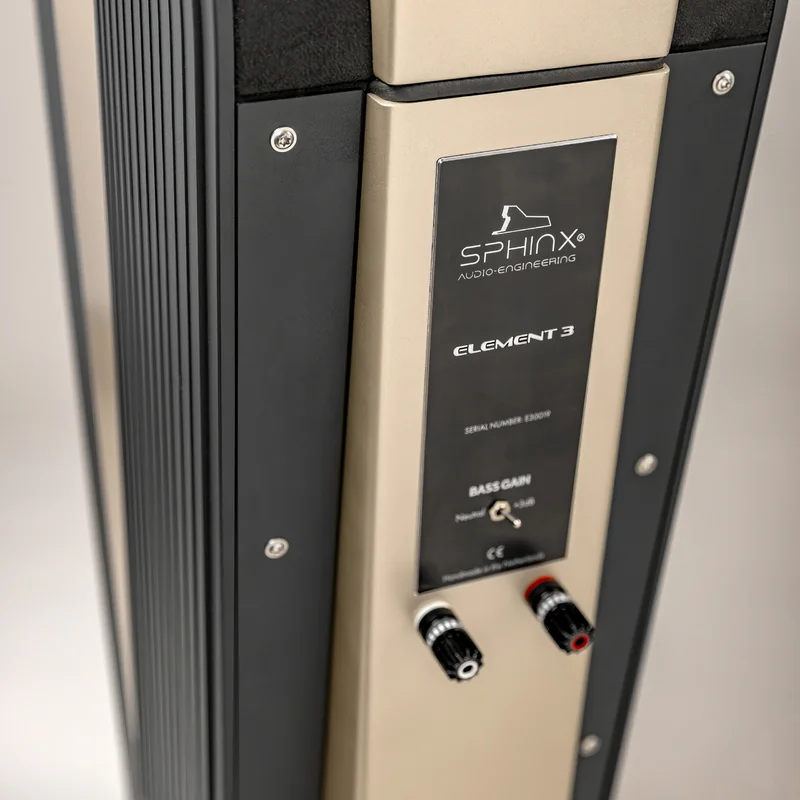
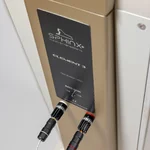
A bass switch on the rear panel adds a little extra weight where a room soaks up the low end, and a power switch with automatic standby looks after the internal electronics, so day-to-day use stays as simple as with any passive pair.
Drivers Chosen for Speed
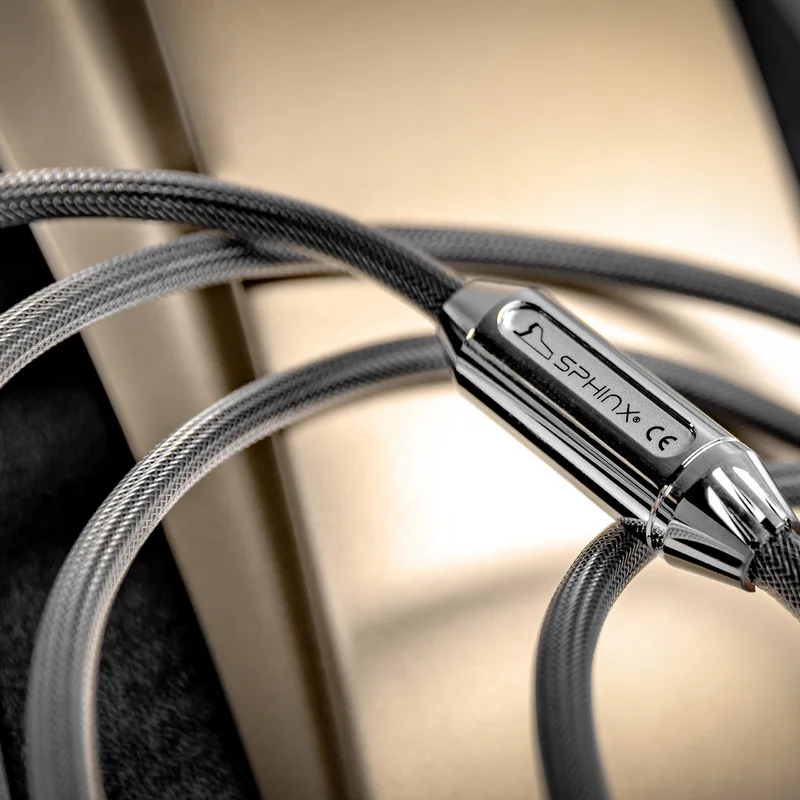
Sphinx selected each driver for speed and control. A compact underhung paper-sandwich woofer with a neodymium motor delivers deep bass from a small diaphragm, a dedicated midrange concentrates on articulation and natural presence through the vocal band, and a textile dome tweeter completes the system with smooth dispersion and refined treble. Time alignment brings all three into phase, so voices and instruments arrive as one coherent whole, and Sphinx’s proprietary Silver-Gold conductors carry the signal inside.
The impression Sphinx aims for is immediacy and freedom: a pair that disappears, a stable and natural stereo image, and instruments that keep shape, colour and timing without exaggeration, open and resolved without ever turning sharp.
Born of Siltech and Crystal Cable
Sphinx builds the Element 3 on principles first proven in two celebrated loudspeakers from the same engineering family, the Siltech Symphony and the Crystal Cable Minissimo Forte. The passive-active crossovers of both designs inform the PAC network, now joined by the Zero Gravity Bass channel and a cabinet entirely of Sphinx’s own design.
The larger Element 5 extends the same ideas with a second woofer and a beryllium tweeter for greater scale, while the Element 3 delivers the full Sphinx philosophy in a more compact form that is easy to place in a wide variety of systems. Further choices in the same form sit in Audio Lounge’s floorstanding speakers collection.
About Sphinx
Sphinx began in the 1980s as a name for high-end electronics, produced by Siltech with Edwin van der Kley-Rynveld, CEO of Siltech, as designer and engineer, and through the 1980s and 1990s Sphinx electronics were known across Europe and Asia. Today the name returns, reimagined by the engineering team behind the Siltech Symphony and Crystal Cable’s Glass Arabesque, with decades of research into cables, electronics and loudspeakers distilled into the Element Series. Every Sphinx loudspeaker is hand-assembled, tested and acoustically tuned in the Netherlands. The Sphinx Element 3 can be auditioned in Audio Lounge’s Wigmore Street showroom, and the Sphinx collection at Audio Lounge gathers the whole Element Series.
Questions About the Sphinx Element 3
What is the Sphinx Element 3?
The Sphinx Element 3 is a floorstanding three-way loudspeaker, the smaller of Sphinx’s two Element Series models, sold as a pair. A harp-inspired cabinet clad in synthetic stone composite houses Zero Gravity Bass, Sphinx’s modified transmission line, and a power-assisted crossover with an amplifier module for each driver. Hand-assembled in the Netherlands, the Element 3 still needs an external stereo or power amplifier.
What are the Sphinx Element 3’s key specifications?
A 20mm textile dome tweeter, a 120mm midrange and a 150mm underhung paper-sandwich woofer form the three-way system. Sphinx rates sensitivity at 98dB (1 watt, 2.83 volts, 1 metre) and impedance at 16 ohms nominal, 15 minimum and 22 maximum. Response runs from 25Hz at the f10 point to 30kHz, or 40Hz to 30kHz within 3dB, with distortion below 0.5%. Each cabinet of the Sphinx Element 3 measures 279.3mm wide, 372.2mm deep and 1082.6mm high, and weighs 56.4kg.
What amplifier does the Sphinx Element 3 need?
A conventional amplifier of modest output. Sphinx recommends at least 20 watts per channel into 16 ohms from a valve amplifier, or at least 50 watts per channel into 8 ohms from a solid-state or digital design, balanced or unbalanced. The external amplifier defines the overall sound, while the internal modules of the Sphinx Element 3 drive the speaker units. Suitable partners fill Audio Lounge’s integrated amplifiers collection, and the showroom team will gladly demonstrate a combination.
Why is the Sphinx Element 3 rated at 16 ohms?
To make the pair an easy partner for almost any amplifier. Sphinx’s figures keep the load of the Sphinx Element 3 between 15 and 22 ohms from 20Hz to 20kHz, and with 98dB sensitivity that steady, high impedance lets lower-powered valve amplifiers drive the pair with ease. As with other 16 ohm speakers, a valve amplifier connects through a 16 ohm output where one is provided, while solid-state and digital amplifiers are rated into 8 ohms.
Is the Sphinx Element 3 an active or a passive loudspeaker?
Both, in a sense. From the amplifier’s side, the Sphinx Element 3 behaves like a passive loudspeaker with a 16 ohm load, driven by a conventional external power amplifier. Inside, Sphinx’s power-assisted crossover separates the frequency bands at low level, with no inductors, and hands each band to a dedicated Class D module. The pair therefore needs mains power as well as an amplifier, and the rear panel carries an on/off switch with automatic standby.
What does the bass switch on the Sphinx Element 3 do?
The rear-panel switch raises low-frequency output by 3dB, working through the gain of the woofer amplifier rather than through passive parts. A room that soaks up bass can therefore be given extra weight while the rest of the range is left as Sphinx voiced the Sphinx Element 3. Audio Lounge can help find the right setting for a particular room when demonstrating the pair.
How does the Sphinx Element 3 compare with the Element 5?
The Sphinx Element 3 is the more compact model. The Element 5 stands 1356mm tall against 1082.6mm, pairs two back-to-back woofers with two midrange units and a 29mm beryllium dome tweeter, and reaches 22Hz at the f10 point against 25Hz. The Element 3 is the more sensitive of the two, at 98dB against 95dB, and asks less of an amplifier, from 20 watts of valve power against 60.
How is the Sphinx Element 3 related to the Siltech Symphony?
As a younger relation. Sphinx derives the PAC crossover of the Sphinx Element 3 from the passive-active designs of the Siltech Symphony and the Crystal Cable Minissimo Forte, engineered by the same team within the Siltech Group. The Element 3 adds Sphinx’s own bass system, Zero Gravity Bass, and a harp-inspired stone composite cabinet of Sphinx’s own.
How did the press receive the Sphinx Element 3?
Warmly. Hi-Fi News named the Sphinx Element 3 an Outstanding Product, Hi-Fi Choice made the pair Recommended, and the design won a European Product Design Award in 2025. Short extracts from the reviews are printed on this page beside links to the original articles.
Can the Sphinx Element 3 be heard before buying?
Yes. Audio Lounge arranges demonstrations of the Sphinx Element 3 on enquiry, ideally with the amplifier you intend to use, in the showroom on Wigmore Street. The team can advise on placement, partnering and the choice between Marble White and Midnight Grey.


